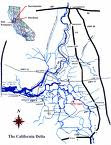
Not Delta specific, but here are a few scenes from Northern California from March 2015 and the ongoing drought. It may be part of a larger documentary project.
Wednesday, March 25, 2015

Monday, April 21, 2014
California's water wars reach 'new level of crazy' this year

Good piece by Mark Grossi in the Fresno Bee about this year's version of the "crazy" California Water Wars, which will only escalate as we exit the (not very) rainy season. A lot of these same issues are covered in the Delta Blues documentary - they just keep rolling through every few years. This year's historic drought is likely to make everything worse for fish and farmers, and the impact will be felt for years.
Sunday, February 2, 2014
California officials forecast ‘zero’ water deliveries
From the Sac Bee's Matt Weiser:
"State officials announced Friday that 29 water agencies serving 25 million people across California can expect “zero” water deliveries from the State Water Project this summer because of the worsening drought.
Although that delivery projection could change, it is the first time a “zero allocation” forecast has been made in the 54-year history of the State Water Project, which is operated by theCalifornia Department of Water Resources and typically delivers Sierra snowmelt to cities and farms throughout the state."
This will have a huge impact on farms and fish in the Delta and the entire state of California for years to come. Unless it rains, starting now.
Tuesday, December 10, 2013
KQED Forum Program on the Delta
 |
| Delta Blues DVD |
Here's the link for today's program on KQED, which focused on the release of the Brown Administration's environmental plan for the Delta:
It's hard to believe, but I started this blog six years ago, at the beginning of the production of Delta Blues. The documentary was completed and went out on the film festival circuit in 2011, but I've always regretted not staying with it longer and making it a more complete film.
Time and money ran out, but this story, as today's Forum broadcast shows, is far from over.
Friday, August 16, 2013
New tunnel plan reduces footprint and cost, but may impact sandhill cranes
From the LA Times:
"The redesign shifts the northern portion of the tunnel system a few miles to the east, away from the towns of Hood and Courtland and closer to Interstate 5. It also shortens the tunnel's length by five miles, to 30 miles, and slashes the size of a water storage area near the diversion point from 750 acres to 40 acres.
The redesign cuts the footprint of permanent facilities by about half, to 1,851 acres, and moves some land uses from private to state-owned lands."
Thursday, August 8, 2013
State says delta tunnel benefits exceed costs by billions
From the LA Times. The economic analysis says that the $25 billion tunnel project will actually come out ahead by $5 billion in a cost/benefit analysis.
And there's this:
"The report also concluded the tunnel project would generate $83.5 billion in statewide business activity over its 50-year life by averting further water delivery cuts and creating construction and maintenance jobs."
Opponents of the tunnel project are more than a little skeptical.
And there's this:
"The report also concluded the tunnel project would generate $83.5 billion in statewide business activity over its 50-year life by averting further water delivery cuts and creating construction and maintenance jobs."
Opponents of the tunnel project are more than a little skeptical.
Wednesday, May 29, 2013
Westlands Water District Files Lawsuit Against Delta Plan
Classic opening quote from the story:
Bill Jennings, executive director of the California Sportfishing Protection Alliance, began his presentation in the public comment period of the Delta Stewardship Council meeting on May 16 by stating, "Good morning, welcome to the resumption of California's water wars."
Seems not many happy with the latest "comprehensive management plan" for the Delta.
http://www.indybay.org/newsitems/2013/05/28/18737482.php
Bill Jennings, executive director of the California Sportfishing Protection Alliance, began his presentation in the public comment period of the Delta Stewardship Council meeting on May 16 by stating, "Good morning, welcome to the resumption of California's water wars."
Seems not many happy with the latest "comprehensive management plan" for the Delta.
http://www.indybay.org/newsitems/2013/05/28/18737482.php
Thursday, May 16, 2013
Delta Blues Now Available Online
The documentary Delta Blues is now available here for streaming online and to all mobile devices for $4.99:
http://vimeo.com/ondemand/deltablue/.
Thursday, November 29, 2012
Healthy salmon mark San Joaquin revival
 Article in the SF Chron about releasing salmon into the upper reaches of the San Joaquin. Only a couple of fish, but it's a start and is one more step in the effort to re-introduce salmon into a river where they once thrived.
Make sure to check out the photo gallery with the article.
Tuesday, August 21, 2012
Tunneling under California's Bay Delta water wars
High Country News looks at the latest on the Delta with Jerry Brown's "I want to get shit done" press conference in July where he announced that he wanted not just one, but two tunnels under the Delta to transfer water downstate. Will it solve the problem of delivering enough water to farms and cities south of the Delta without destroying the fish population? It remains to be seen, and expect many more years of debate, lawsuits and rancor in California's most persistent water war.
Tuesday, April 24, 2012
Socal Water War

Not the Delta (although the Delta should be mentioned as part of the overall California water scheme), but an interesting piece in the New York Times on the fight over water in Southern California, particularly in San Diego.
Thursday, February 2, 2012
Little Knowledge of the Delta in New Study
Statewide survey finds 78 percent clueless about Delta
I always thought ignorance about the Delta was high (it's one of the reasons I made the documentary), but this is stunning.
Here's the article in The Record.
I always thought ignorance about the Delta was high (it's one of the reasons I made the documentary), but this is stunning.
Here's the article in The Record.
Tuesday, November 15, 2011
DVD Available

Thursday, September 22, 2011
Judge Assails Delta Smelt Scientists

Worth a read.
Monday, September 19, 2011
Selenium in the Delta and Bay
Good article (with useful charts) by Mike Taugher in the Contra Costa about the problem of selenium in the Delta and San Francisco Bay.
Friday, September 2, 2011
Federal judge disagrees on delta smelt plan
New ruling from Judge Wanger on salinity levels and the Delta Smelt. Two things not mentioned: Wanger - who's made most if not all significant rulings about Delta water flows and the ESA - is retiring. Also, no mention of the role of climate change in increasing salinity.
Here's the article from the Fresno Bee.
Here's the article from the Fresno Bee.
Wednesday, August 31, 2011
2010: A Record Year for Fresno County Agriculture
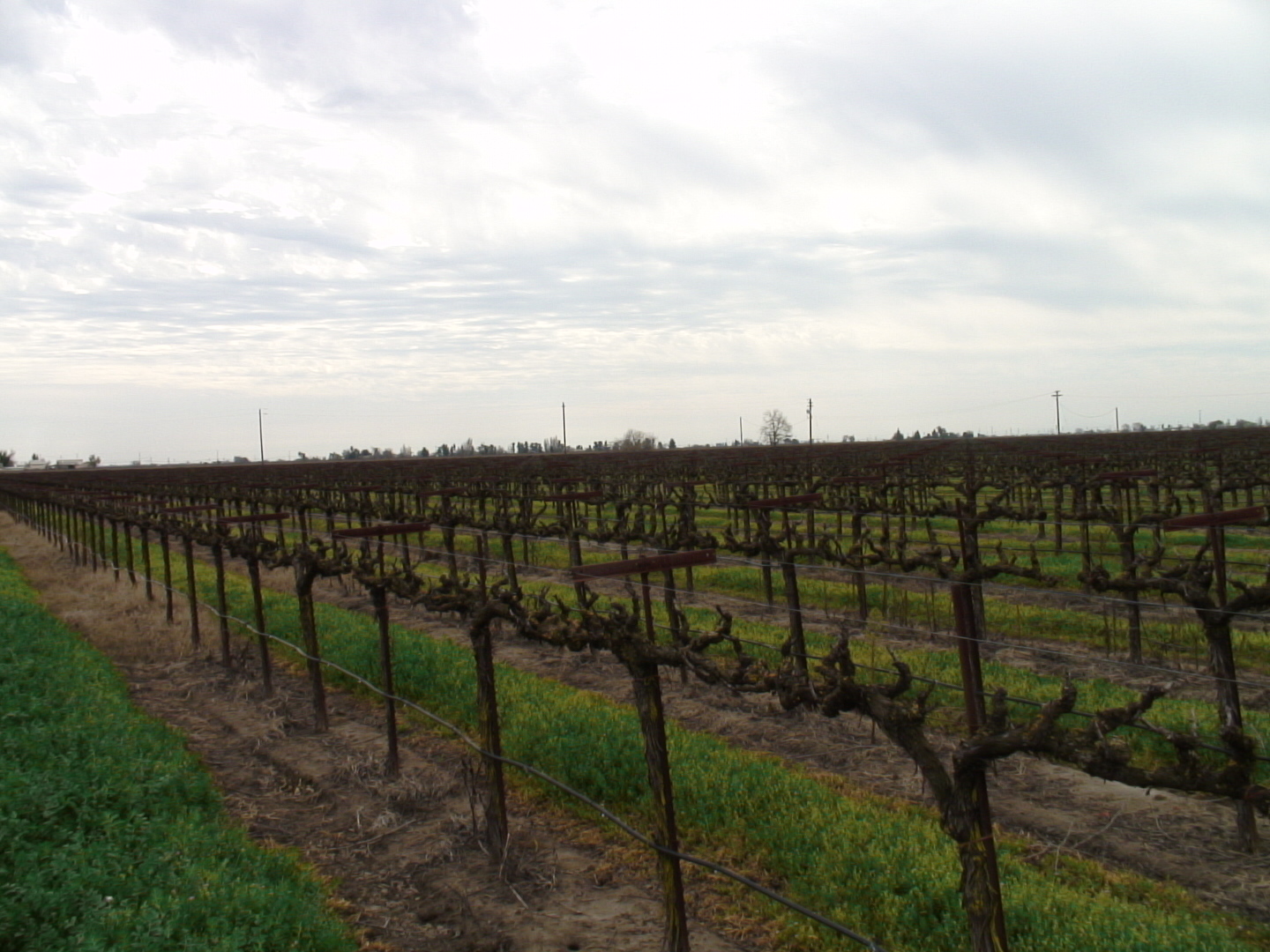
Despite the lingering impact of the drought, and widespread complaints about lack of water, particularly from west side farmers, Fresno County had a record year. Grapes and almonds are neck and neck for the leading crops and even cotton - seemingly dead as a viable crop in the Central Valley when I was filming Delta Blues - is making a comeback.
Tim Sheehan from the Fresno Bee has the story here.
Thursday, June 16, 2011
Pacific Institute Report on the Recent CA Drought
 The report, Impacts of the California Drought from 2007 to 2009:Surprising Outcomes for California's Agriculture, Energy, and Environment, , analyzes the impact of the drought on the farming community, the environment and hydroelectric power. A quick read indicates that the impact on Central Valley Farming was less than expected, the impact on the environment (including the Delta region), was as bad or worse than most observers thought, and that Californians paid more for power because of the drought.
 Many of these issues are covered in Delta Blues (which is scheduled for release on DVD this summer), and Peter Gleick, the President of the Pacific Institute, is one of the primary characters in the documentary.
Click on the link above for a copy of the full report or an executive summary.
Friday, May 27, 2011
PBS Documentary on Salmon

While many of the issues are similar to the ongoing problems in the Delta, there are also many key differences. In the Columbia Basin, it's more of a fight over dams impeding the salmon's journey upriver to their spawning grounds, while in the Delta it's a fight over adequate water flows, and not just for salmon.
You can watch the whole episode here.
Friday, May 6, 2011
BDCP Plan Blasted By Fed Panel
The Bay-Delta Conservation Plan was always a tough task - putting together environmentalists, government agencies and water users to come up with a comprehensive plan for the immense amount of water flowing through the Delta and utilized for agriculture and SoCal water supplies, not to mention the health of the Bay-Delta ecosystem.
The National Research Council slammed the effort yesterday, especially the BDCP's advocacy of a new "conveyance system," which means a peripheral canal or tunnel. California had close to record snowfall this past winter and some of the urgency has seeped out of efforts to fix the Delta, but this is a problem that won't go away and the longer the delay, the more it's going to cost and the more damage to all of the state's water users, human and otherwise.
Read more here from the SF Chron.
The National Research Council slammed the effort yesterday, especially the BDCP's advocacy of a new "conveyance system," which means a peripheral canal or tunnel. California had close to record snowfall this past winter and some of the urgency has seeped out of efforts to fix the Delta, but this is a problem that won't go away and the longer the delay, the more it's going to cost and the more damage to all of the state's water users, human and otherwise.
Read more here from the SF Chron.
Thursday, April 21, 2011
Interested in the BDCP?
This landed in my inbox. Note the live webcast link:
Natural Resources Secretary, John Laird, and Deputy Secretary of the U.S. Department of the Interior, David J. Hayes, will gather with stakeholders and the public to discuss the challenges and process for meeting the BDCP's dual goals of ecosystem restoration and water supply reliability, and their commitment to completing a habitat conservation plan for the Sacramento-San Joaquin Delta that achieves these goals.
Natural Resources Deputy Secretary, Dr. Jerry Meral, will provide an update on the BDCP since the November 18, 2010 Working Draft of the BDCP, the process for resolution of key features of the draft plan, and important environmental analysis needed before a final BDCP may be approved.
PLEASE JOIN US for a PUBLIC MEETING
Monday, April 25, 2011
Tsakopoulos Library Galleria
828 I Street, Sacramento, CA 95814
1:00 - 5:00pm
Click here to view the agenda.
A live webcast of the meeting will be available at http://cawater.rmxpres.com/webcast/data/dwr04252011/msh.htm
Thursday, March 31, 2011

Wednesday, March 9, 2011
Delta Blues Shows at the Ocean Film Festival on Friday...

Thursday, March 3, 2011
Delta Blues Screens Saturday at SF Green Film Festival

Monday, February 14, 2011
SFGate: Delta fish may be too far gone to save, plan hints
A grim assessment.
Earlier : SFGate: First Delta Draft Out Today
From the article: "The preliminary plan is one of seven to be released this year by the Delta Stewardship Council, which has until Jan. 1 to finalize a comprehensive, 50-year plan for the estuary. The overarching goals are two-fold: revitalizing the delta's ecosystem while ensuring water for millions of Californians and some of the most fertile agricultural land in the world - a balance that has eluded policymakers for decades."
Earlier : SFGate: First Delta Draft Out Today
From the article: "The preliminary plan is one of seven to be released this year by the Delta Stewardship Council, which has until Jan. 1 to finalize a comprehensive, 50-year plan for the estuary. The overarching goals are two-fold: revitalizing the delta's ecosystem while ensuring water for millions of Californians and some of the most fertile agricultural land in the world - a balance that has eluded policymakers for decades."
Subscribe to:
Posts (Atom)